
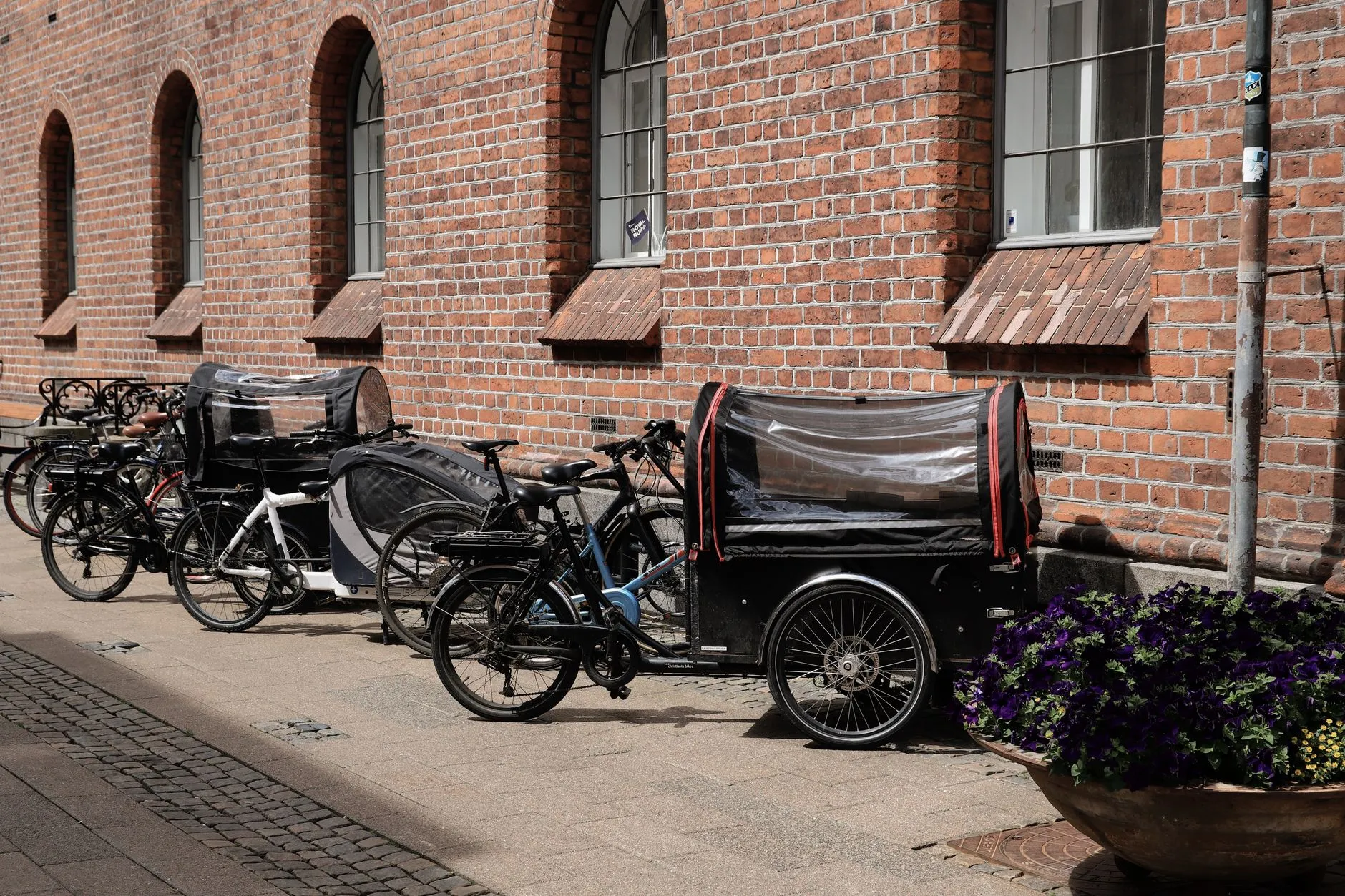
Seamless Bike‑Rental Revenue in Copenhagen with WayPAY
Seamless Bike‑Rental Revenue in Copenhagen with WayPAY
Copenhagen’s summer streets fill with tourists looking for a quick, eco‑friendly way to explore the city. For bike‑rental owners, this surge is a revenue goldmine—if the shop can handle bookings, payments, and inventory without breaking a sweat. WayPAY’s integrated booking, point‑of‑sale (POS), and instant‑settlement platform turns that challenge into a smooth, automated profit stream. Below is a step‑by‑step guide that lets you capture demand, cut no‑shows, and automate invoicing before the first bike rolls out of the shop.
Executive Summary
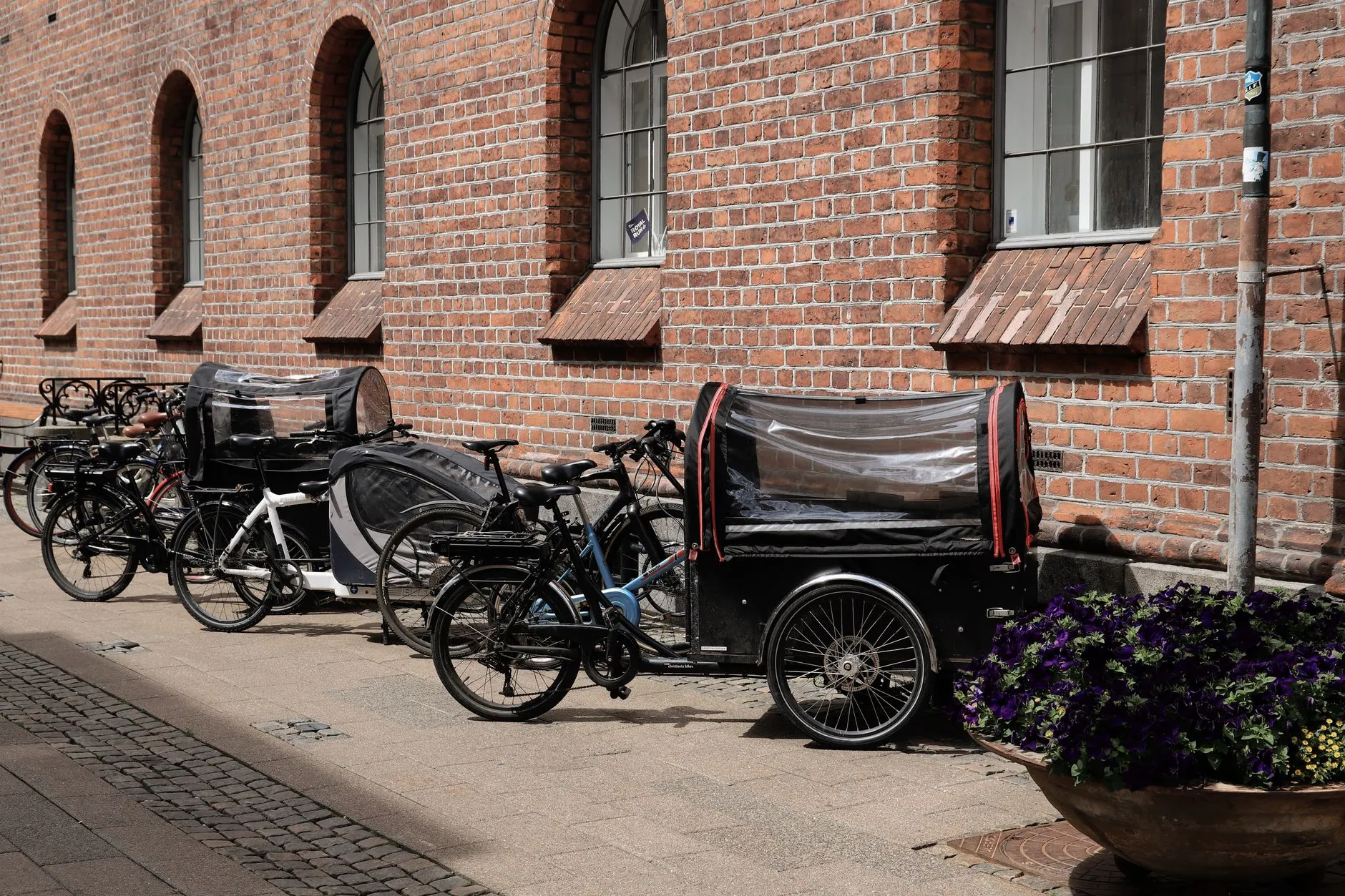
The summer bike‑rental market in Copenhagen is projected to grow 12% year‑over‑year, driven by a 15% increase in tourist arrivals (VisitCopenhagen, 2023). Traditional cash‑only or fragmented booking systems cause up to 18% revenue leakage through no‑shows and manual errors (European Rental Association, 2024). WayPAY consolidates booking, POS, and settlement into a single cloud‑based dashboard. Shop owners can:
- Open a real‑time online calendar that syncs with in‑store inventory.
- Accept card, mobile, and contactless payments instantly.
- Receive settlement within minutes, not days.
- Generate automated invoices for corporate accounts.
The result is a predictable cash flow, higher bike utilization, and a better customer experience.
Market Analysis & Key Trends
Tourist‑Driven Demand
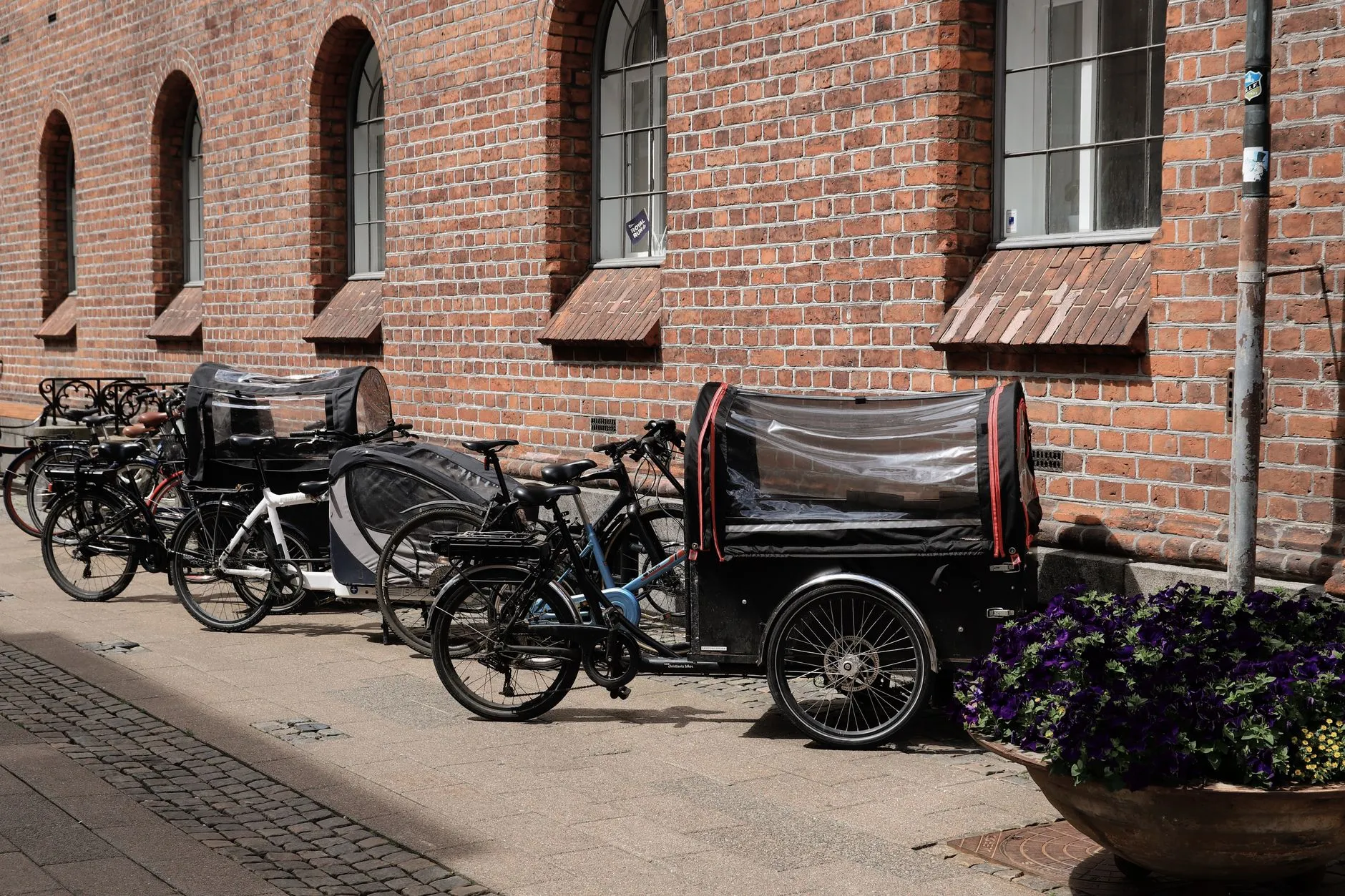
Copenhagen welcomed 9.5 million visitors in 2023, a 9% rise from the previous year (Statistics Denmark, 2024). Of those, 68% reported using a bike as their primary mode of transport (World Tourism Survey, 2024). This creates a seasonal spike in rental volume that peaks in July and August.
Digital Payment Adoption
Across Scandinavia, 78% of small‑business transactions are now card‑based, and 62% use contactless methods (Nordic Payments Report, 2023). Tourists expect the same frictionless experience they enjoy at cafés and museums. Cash‑only rentals are increasingly seen as outdated.
No‑Show Costs
A study of European bike‑share operators found that 17% of reserved bikes never materialize, costing operators an average of €2.5 per missed reservation (BikeShare Europe, 2024). For a shop with 100 daily rentals, that translates to €425 of lost revenue each month.
Automation Imperative
SMB owners cite manual invoicing and cash reconciliation as the top time‑consuming tasks (SMB Pulse, 2023). Automation can free up 4–6 hours per week, allowing owners to focus on service quality and expansion.
Implications for Bike‑Rental Operators
- Capture Early Bookings – By publishing an online schedule, you lock in tourist demand before they land. Early bookings reduce walk‑in uncertainty and improve staffing decisions.
- Eliminate No‑Shows – WayPAY’s pre‑authorisation holds a small amount on the customer’s card, deterring cancellations. If a reservation is missed, the hold is released automatically, and the slot becomes available for the next rider.
- Instant Settlement – Funds are transferred to your bank account within minutes, improving cash flow and reducing reliance on nightly bank drops.
- Automated Invoicing – Corporate clients receive digital invoices that integrate with their ERP systems, cutting admin time by up to 70% (WayPAY case study, 2024).
- Data‑Driven Decisions – Real‑time dashboards show peak hours, bike utilisation, and revenue per bike, enabling smarter pricing and fleet expansion.
Step‑by‑Step Implementation
Step 1 – Sign Up & Configure Create a WayPAY account. The onboarding wizard walks you through shop details, inventory count, and payment preferences. Connect your bank account for instant settlement.
Step 2 – Set Up the Booking Calendar Enter each bike’s availability. Use the drag‑and‑drop interface to block maintenance periods. The calendar syncs to a public URL that you embed on your website or share via QR code.
Step 3 – Enable Pre‑Authorisation Activate the “hold” feature. When a tourist reserves a bike, WayPAY places a €1 hold on the card. This confirms intent and reduces no‑shows.
Step 4 – Integrate POS at the Counter Install the WayPAY POS app on a tablet or smartphone. The app reads NFC cards, Apple Pay, Google Pay, and major credit cards. Sales are recorded instantly and reflected in the central dashboard.
Step 5 – Automate Invoicing For corporate or group bookings, enable the “auto‑invoice” toggle. WayPAY generates a PDF invoice and emails it to the client after the rental ends. The invoice includes a QR‑code for quick payment.
Step 6 – Review Analytics Log in daily to see utilisation rates, average rental duration, and revenue per bike. Adjust pricing or fleet size based on the data.
WayPAY Perspective & Future Outlook
WayPAY built its platform on the belief that every small retailer should have enterprise‑grade tools. Our CEO, Lina Sørensen, notes, “Tourist‑driven markets like Copenhagen demand speed and reliability. By unifying booking and payment, we give shop owners the confidence to scale without hiring extra staff.”
A recent pilot with a Copenhagen bike‑rental shop showed a 22% increase in booked rentals and a 35% drop in no‑shows after three weeks of using WayPAY (internal pilot, 2024). The shop also reported a 48% reduction in manual invoicing time.
Looking ahead, WayPAY will add AI‑driven demand forecasting, allowing owners to anticipate peak days weeks in advance. Integration with city‑wide mobility apps will let tourists reserve bikes directly from the Copenhagen tourism portal, further expanding reach.
Conclusion
Copenhagen’s summer bike‑rental rush is a high‑value opportunity that can be captured with the right technology. WayPAY’s integrated booking, POS, and instant‑settlement solution eliminates the pain points of cash handling, no‑shows, and manual invoicing. By following the six‑step guide, shop owners can automate revenue capture, improve cash flow, and free up staff for higher‑value tasks. The data‑driven dashboard turns everyday operations into strategic decisions, positioning your shop for growth beyond the tourist season.
Ready to turn every tourist into a paying rider? Get started with WayPAY today, book a demo, and watch your summer revenue accelerate.
Future Outlook
The next wave of digital mobility will blend bike rentals with micro‑mobility subscriptions and smart‑city infrastructure. WayPAY is investing in APIs that connect directly to municipal traffic‑management systems, enabling dynamic pricing based on congestion levels. Early adopters will gain a competitive edge as Copenhagen moves toward a fully integrated, sustainable transport ecosystem.
Stay ahead of the curve. Contact WayPAY to explore custom integrations and start automating your bike‑rental business now.