
Cykler i CPH Sommeren 2027
Biking in 2026 in Copenhagen
Why the city remains the global benchmark for urban cycling
Copenhagen in 2026 is no longer just bike-friendly — it is bike-first. Cycling is the default mode of transport, deeply embedded into urban planning, technology, health policy, and everyday life. For residents, commuters, families, and visitors alike, the city delivers one of the most seamless biking experiences in the world.
A City Designed Around the Bicycle
Copenhagen’s streets are designed with cyclists as primary users, not an afterthought.
- Wide, continuous bike lanes on all major roads
- Grade-separated intersections at high-traffic crossings
- Bike highways connecting suburbs directly to the city
- Dedicated bike bridges reducing congestion and travel time
The result is predictable flow, minimal stops, and stress-free commuting — even during rush hour.
Smart Traffic and Digital Cycling

Technology quietly optimizes the cycling experience without overwhelming the rider.
- Traffic lights adapt to cyclist speed and volume
- Real-time congestion data suggests faster routes
- Weather-aware routing avoids strong wind corridors
- Sensors continuously improve infrastructure planning
Cycling feels fluid, efficient, and intentional.
E-Bikes and Cargo Bikes Are the Norm
In 2026, cycling in Copenhagen looks different than a decade ago.
- E-bikes are widely used across all age groups
- Cargo bikes transport children, groceries, and tools
- Electric cargo logistics replace delivery vans in dense areas
This shift has reduced noise, emissions, and traffic — while making cycling accessible to more people.
Safety, Comfort, and Inclusivity
Copenhagen’s cycling culture prioritizes confidence, not courage.
- Children bike independently to school
- Seniors ride comfortably on electric bikes
- Tourists navigate intuitively without local knowledge
Clear separation from cars, consistent design, and strong visual language make cycling safe by default.
Cycling as Climate Action
Biking is not positioned as a sacrifice — it’s the most logical choice.
- More than half of all work and school trips are done by bike
- Transport-related CO₂ emissions continue to decline
- Public health indicators show lower stress and higher activity
Cycling is infrastructure-driven climate policy in action.
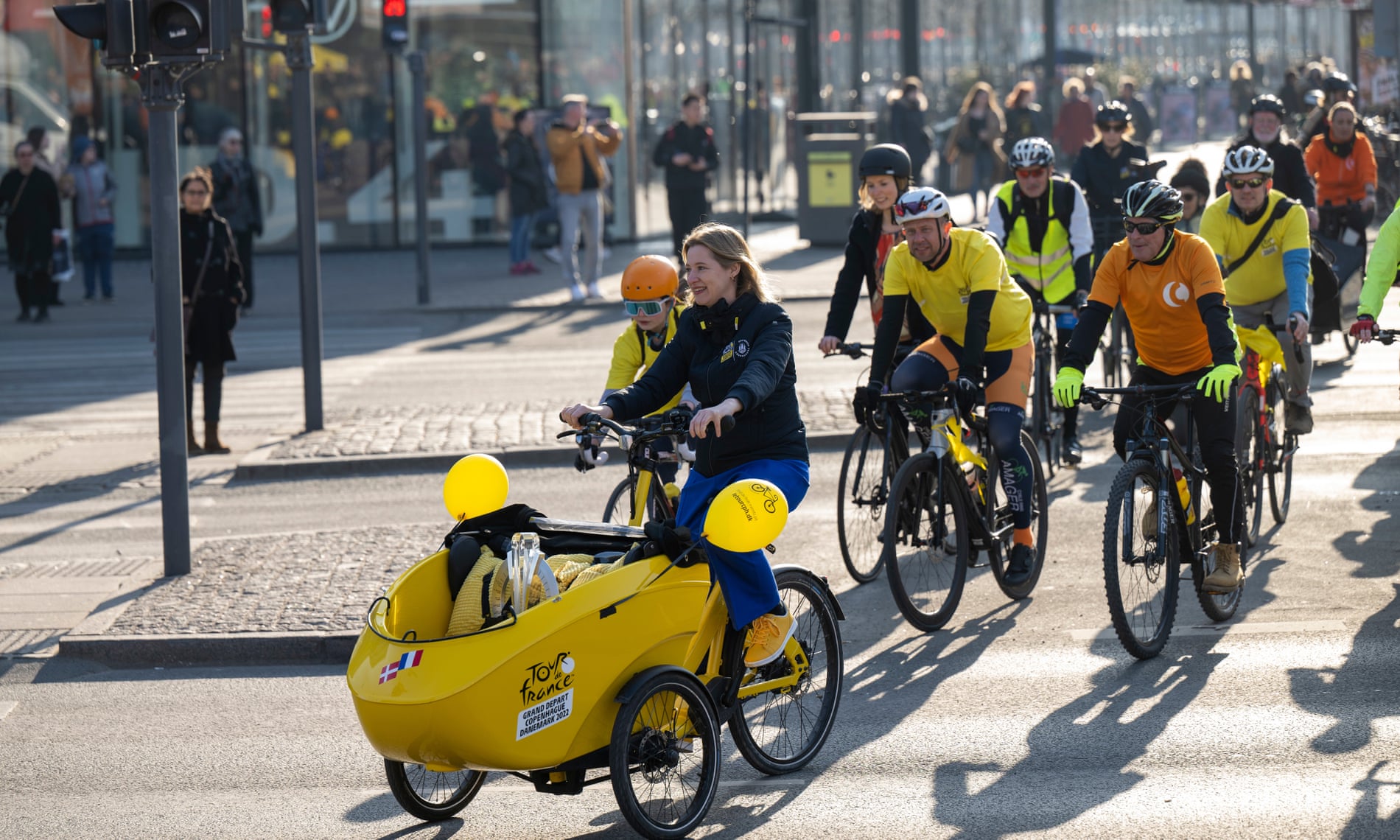
A Global Reference Point
Cities around the world study Copenhagen to learn:
- How to scale cycling without chaos
- How to design streets for humans, not just vehicles
- How long-term political commitment changes behavior
Copenhagen no longer experiments — it operates at maturity.
Final Thoughts
Biking in Copenhagen in 2026 is effortless, fast, and deeply normal. It’s not about sport or ideology — it’s simply the smartest way to move through the city.
For anyone interested in urban mobility, sustainability, or livable cities, Copenhagen remains the reference point — and proof that a bike-first future works.